
Every new year begins with a connection – the link between purpose and possibility. As we step into 2026, we are reminded that nothing in nature stands alone. Every material, every decision, every action forms part of a larger system. Waste is no exception.
For decades, waste was treated as an endpoint: something to discard, bury, or remove from sight. But modern sustainability asks a different question: what system does this waste belong to, and how can it support something greater?
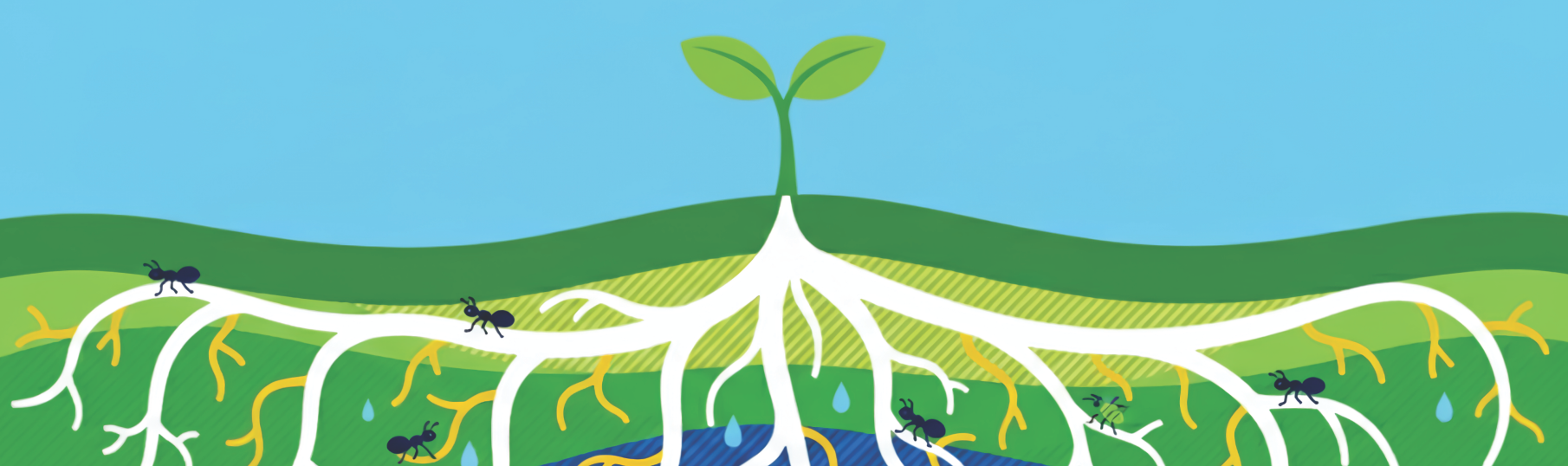
This is the foundation of systems thinking in waste management – understanding that waste touches water, water touches soil, soil shapes biodiversity, and biodiversity sustains communities and economies.
The Power of Systems Thinking in Waste
Globally, the way we manage waste is shaping our future. The World Bank’s What a Waste 2.0 analysis shows that the world already generates over 2 billion tonnes of municipal solid waste each year, with volumes projected to increase by around 70% by 2050 without urgent action.
When this waste is mismanaged – dumped, burned, or left untreated – the impacts cascade through connected systems:
- Water quality and ecosystems Poorly managed waste can contaminate rivers, lakes, and coastal waters, affecting ecosystems, fisheries, and drinking water sources.
- Public health and wellbeing Uncollected or poorly handled waste creates breeding grounds for disease vectors, contributes to air pollution, and increases the risk of waterborne diseases. The World Health Organization notes that poor waste management is a significant driver of environmental pollution and related health risks.
- Climate and resilience Landfills and unmanaged organic waste release methane – a greenhouse gas with a global warming potential far greater than carbon dioxide – adding pressure to a climate system already under strain.
In other words: waste is never just “waste”. It is a node in a complex web of environmental, social, and economic outcomes. Systems thinking helps us see those links clearly – and design better solutions.
Integrated Waste Management: Where Change Begins
Every new year gives us a chance to ask: Are we still treating waste in isolation, or are we managing it as part of a larger system of recovery and value?
Integrated Waste Management is where that shift becomes real. Instead of viewing each waste stream separately, it aligns collection, treatment, recovery, energy generation, and environmental protection into one coherent approach.
In practice, that means:
- Every material has a destination – whether recovery, recycling, energy generation, or safe disposal.
- Processes are designed to support one another, not compete: what cannot be recycled may become fuel; what cannot be neutralised on-site is treated through specialised facilities.
- Partnerships are built for circularity, linking one industry’s by-products to another’s inputs.
- Environmental and social outcomes are measured as part of system performance, not as external “nice-to-haves”.
This is not just good practice – it is increasingly recognised as essential for climate stability and planetary health. The UN’s latest Global Environment and Global Waste Management outlooks emphasise that tackling climate change, pollution, and biodiversity loss requires joined-up, system-wide solutions, and that investing in better waste management reduces environmental damage, health risks, and long-term costs.
When we talks about Integrated Waste Management, it is not just describing a set of services. It is describing the way we connect materials, facilities, and communities into a greater system of recovery.
Why Waste Is Never Isolated
A single decision in waste management can ripple far beyond the bin, skip, or site where it starts:
- A bottle discarded inland can travel hundreds of kilometres, contributing to ocean plastic pollution.
- A landfill operated without proper controls can affect air quality, groundwater, and nearby communities for years.
- Untreated effluent can compromise river systems, irrigation water, and eventually food production.
But the reverse is also true: well-designed waste systems create positive chains of impact.
Interwaste’s integrated approach is built on strengthening these positive links:
- Circular water management through Effluent Treatment Plants (ETPs) helps ensure that contaminated leachate is treated safely, protecting downstream ecosystems and communities and supporting national water security efforts.
- RDF and other waste-derived fuels reduce reliance on fossil fuels and support decarbonisation by turning non-recyclable waste into a lower-carbon energy source.
- Bioremediation and land remediation support soil health, restoring damaged sites so that land can once again support biodiversity, agriculture, or safe development.
- Landfill gas-to-energy systems capture methane and convert it into useful energy, limiting climate impact and improving overall resource efficiency.
- Recycling-linked social programmes, such as Give2Green, demonstrate how recovered materials can translate into dignity, mobility, and opportunity — proving that resource recovery can support both environmental and social value.
Each of these examples shows the same truth: waste is connected to water, soil, climate, biodiversity, and communities. When we treat it as part of a system, we unlock solutions that reach far beyond a single facility or site.